Uncovering a WWII Pillbox in Balderstone, Blackburn
Brimstone UXO was recently engaged by a long-standing client to support works at a site in Balderstone, Blackburn, following the identification of a possible Second World War pillbox during a third-party UXO risk assessment.
Pillboxes are a familiar feature of Britain’s wartime landscape, constructed in large numbers during the early years of WWII as part of the UK’s defensive preparations. While many remain visible today, others have been buried, infilled, or obscured over time as land has been repurposed for agriculture, development, or infrastructure. Where pillboxes are present, they can indicate historic military activity that may also be associated with UXO risks, particularly small arms ammunition and related military materials.
Due to this potential risk, Brimstone engineers were appointed to safely uncover and investigate the structure, ensuring that any hazards could be identified and managed before the site progressed further.
Understanding the Risk
Although pillboxes themselves are not explosive, their use during WWII means they can be associated with residual military items. These may include small arms ammunition, pyrotechnics, or other discarded or lost ordnance. In some cases, pillboxes were used for training, storage, or observation, all of which can contribute to an elevated UXO risk when compared with non-military land.
In this instance, the third-party risk assessment identified the likely presence of a pillbox and recommended specialist UXO support. This early identification allowed the client to take a proactive approach to risk management, reducing uncertainty and avoiding potential delays later in the project timeline.
Preparing for the Works
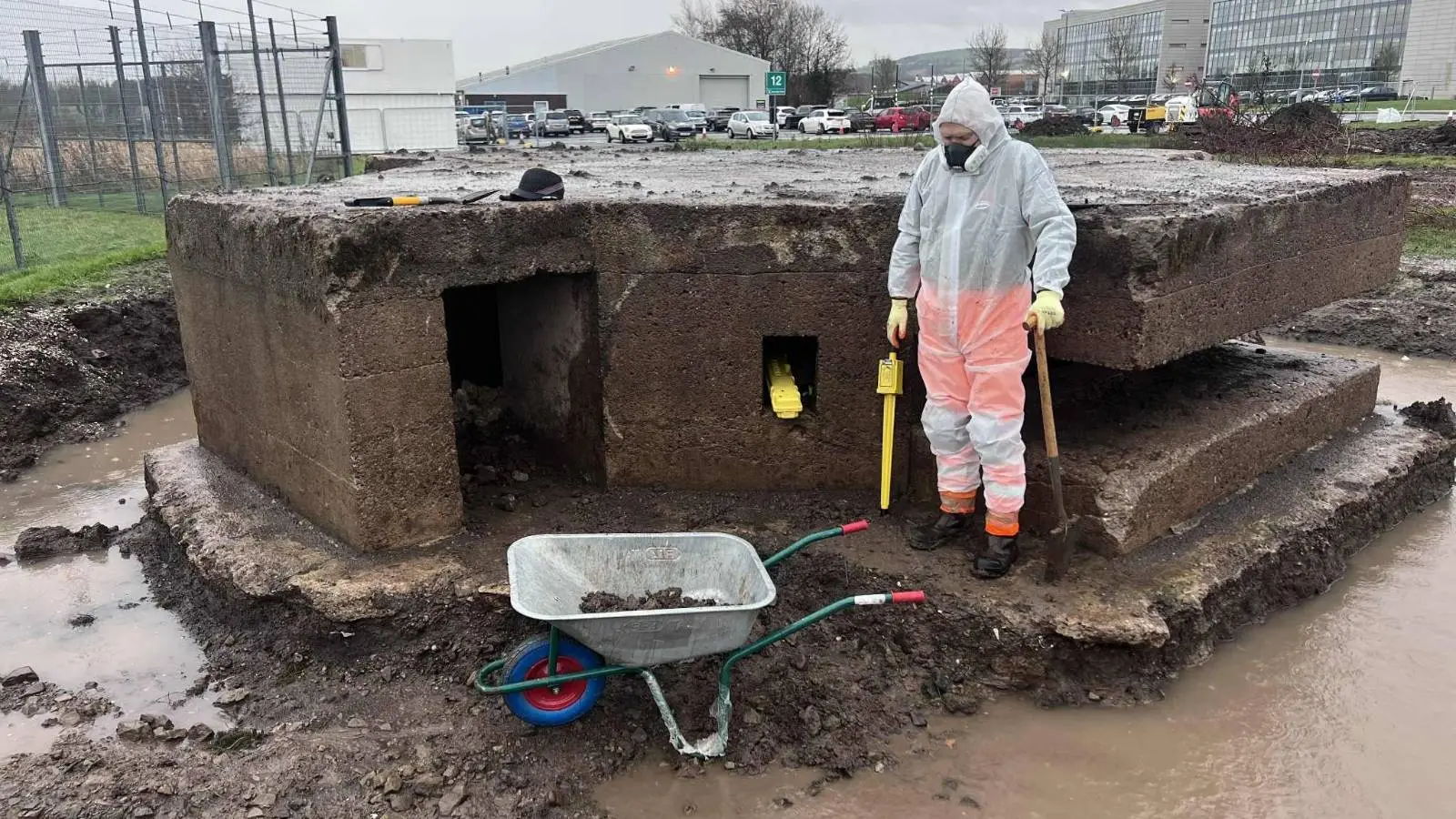
Before deployment, Brimstone ensured that all engineers involved in the operation were appropriately qualified for the task. As access to the pillbox would require entry into a tight space, engineers underwent confined space training and were equipped with suitable personal protective equipment. This included face-fit tested respiratory protection, ensuring that all work could be undertaken safely and in line with health and safety requirements.
Careful planning was undertaken to determine the most appropriate method of uncovering the structure while minimising disturbance to the surrounding ground and avoiding unnecessary damage to the pillbox itself, which the client intended to retain as a historical feature.
Uncovering the Pillbox
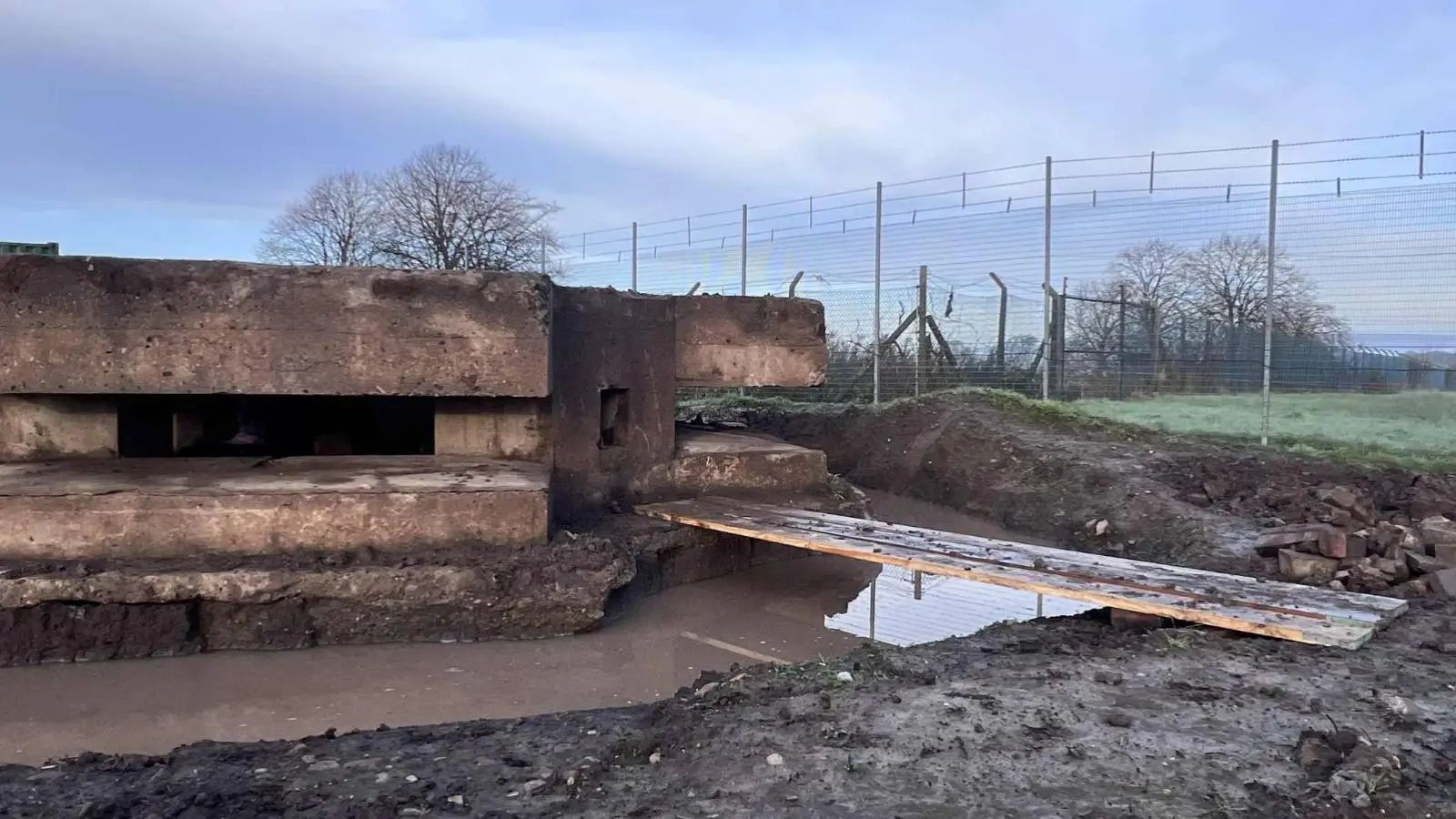
The pillbox was located beneath a grass-topped mound, with no visible structural elements exposed at ground level. A controlled excavation was carried out to gradually expose the upper sections of the structure.
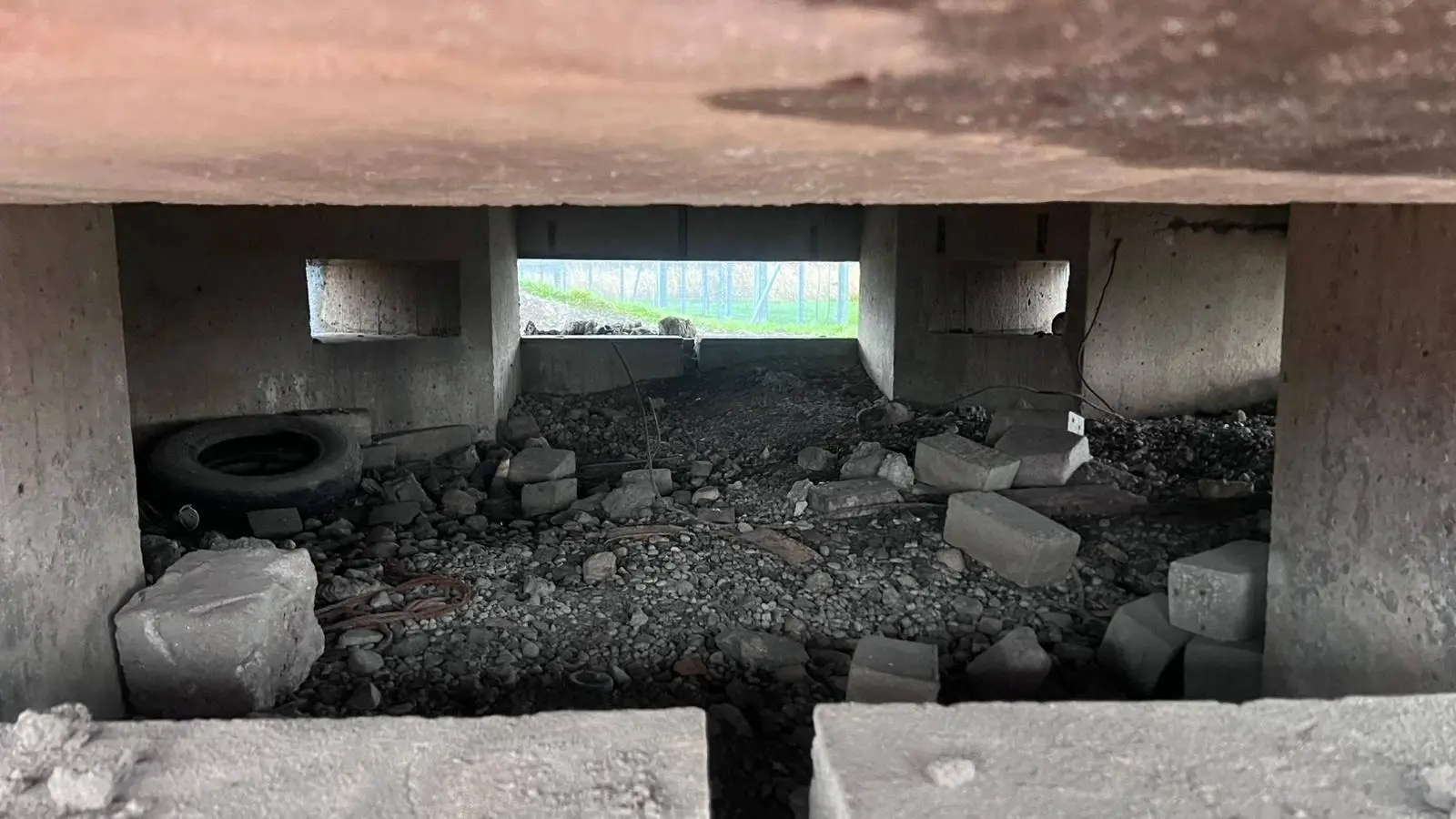
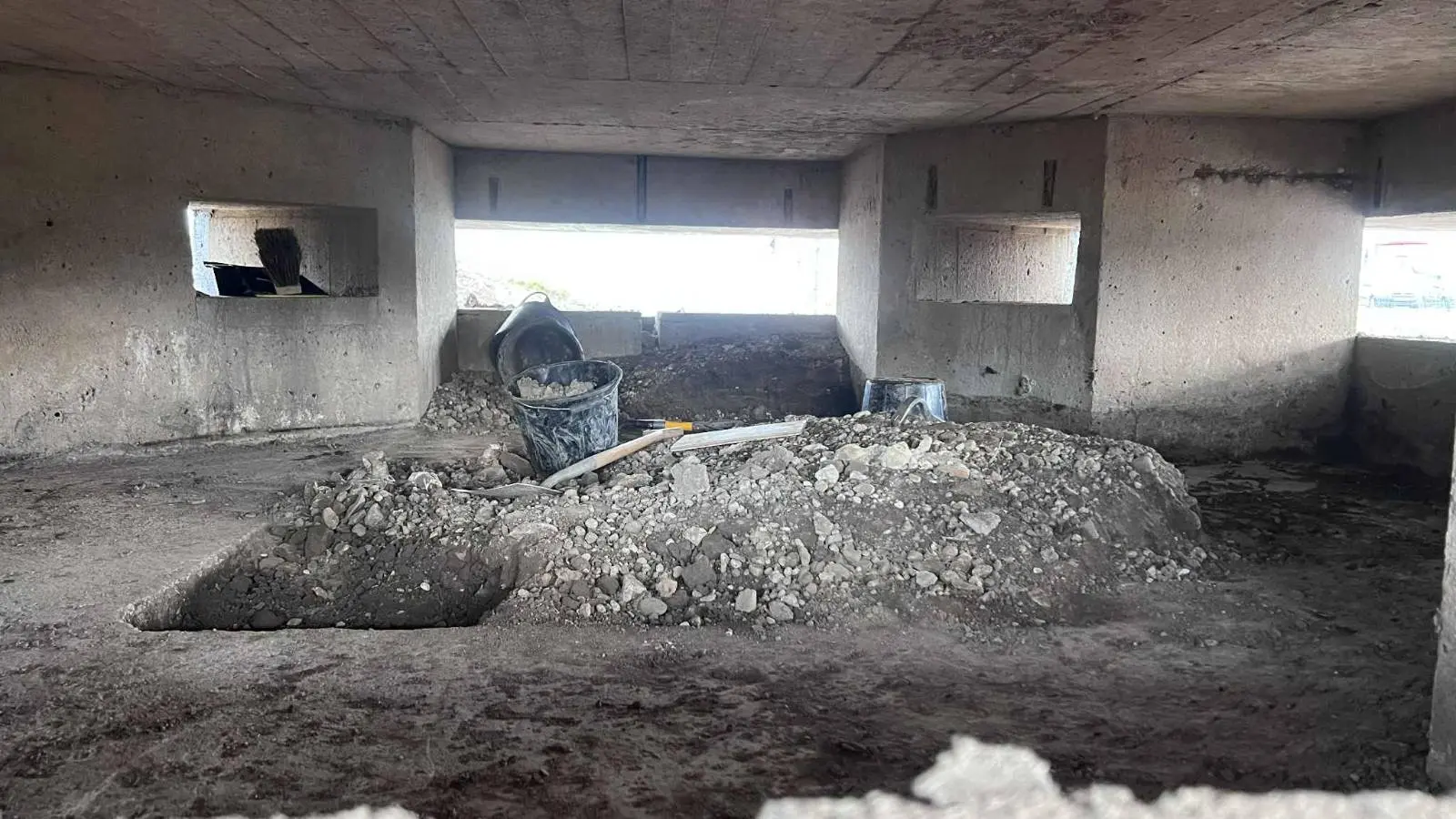
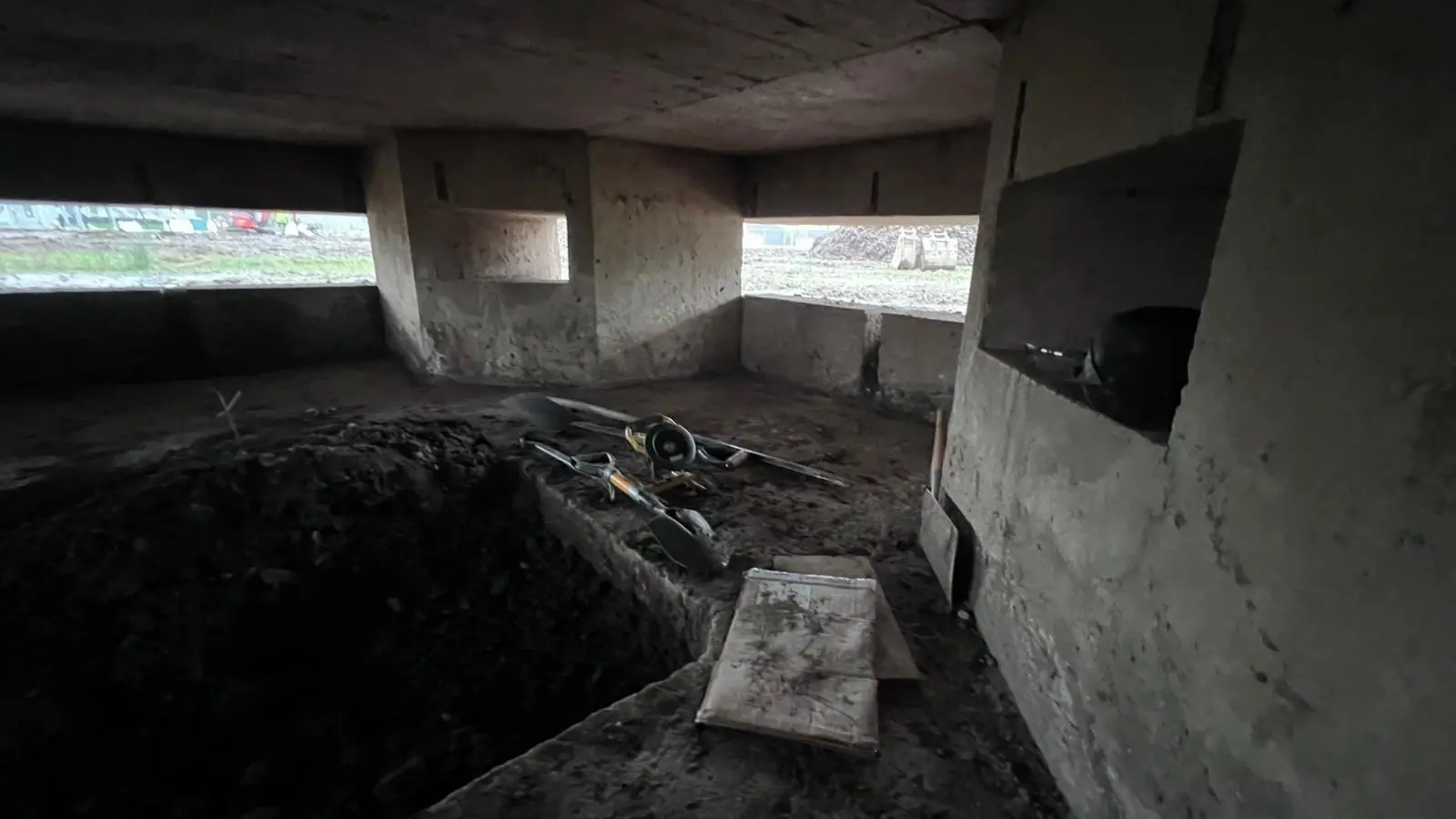
Once sufficient material had been removed to allow visibility into the pillbox, it became clear that the interior was filled with accumulated ground materials.
Given the confined nature of the space and the potential for UXO to be present within the fill, the decision was taken to carefully enter the pillbox and reduce the material by hand. This approach allowed engineers to maintain a high level of control throughout the process and to inspect the material incrementally.
Please drag the images to see more
Investigation and Clearance
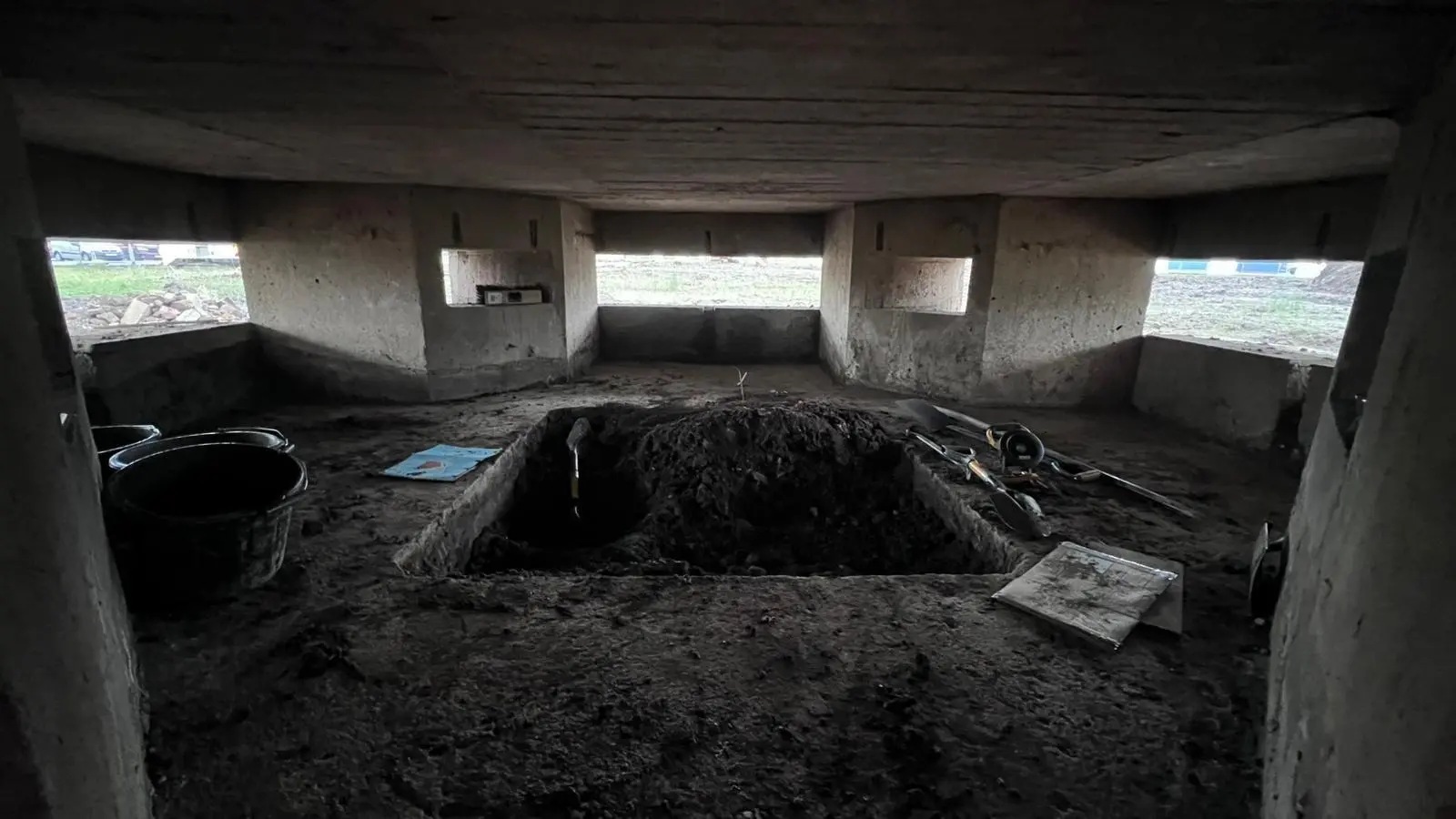
The reduction of ground materials within the pillbox was carried out methodically, with continuous checks for UXO. This type of work requires patience and attention to detail, particularly in enclosed environments where visibility and access can be limited.
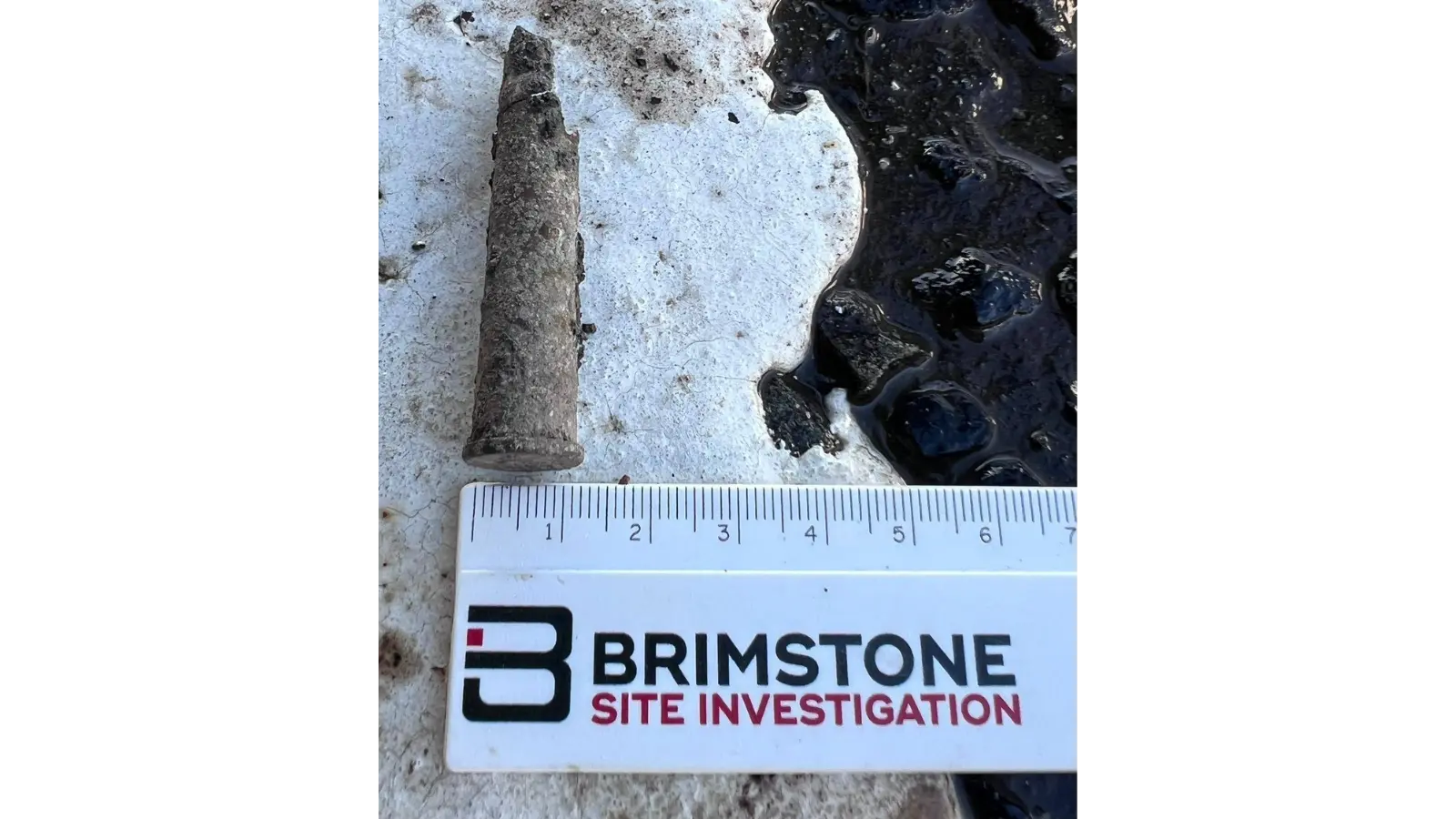
During the investigation, one item of UXO was identified: a single .303 round. This calibre of ammunition was widely used by British forces during WWII and is a common find on sites with a military history. The item was dealt with in accordance with established procedures, and no further UXO was identified within the pillbox.
Once the interior had been fully inspected and the ground materials reduced to a safe level, the investigation was concluded.
Please drag the images to see more
Preserving a Historical Feature
With the works completed successfully, the pillbox will now be retained on site as a preserved historical feature. This approach allows an important reminder of the area’s wartime past to remain, while also ensuring that the structure no longer presents an unknown risk to future site users or works.
Projects such as this demonstrate how UXO risk management is not solely about clearance, but about understanding historical context, managing uncertainty, and enabling development or land use to progress safely and responsibly.
The Importance of Early UXO Risk Management
This project highlights the value of early-stage UXO risk assessments and specialist involvement. Identifying potential military features at the outset allows risks to be managed proportionately, reducing the likelihood of unexpected discoveries during construction and helping clients maintain programme certainty.
Even relatively small or localised features, such as pillboxes, can carry associated risks that require professional input. Addressing these risks early supports safer working practices and informed decision-making throughout a project’s lifecycle.
How Brimstone Can Help
Brimstone UXO provides specialist UXO risk management services across the UK, supporting clients from initial risk assessments through to surveys, investigations, and UXO disposals. Our engineers have experience working in complex environments, including confined spaces and historically sensitive sites, ensuring that risks are identified and managed effectively.
If you are planning work on a site with known or suspected military history, or if a UXO risk assessment has identified potential concerns, early engagement with a specialist can help reduce uncertainty and avoid unnecessary disruption.
To discuss your project or to find out how Brimstone UXO can support you, contact our team today.
Learn more about our work at Brimstone by following us on Facebook, Instagram, LinkedIn and YouTube.
"*" indicates required fields