UXO Risk Assessments for Geotechnical Projects
Geotechnical investigations play a crucial role in understanding ground conditions before construction begins. But when sites are located in areas affected by past military activity, these works can expose teams to an unexpected and potentially serious hazard – unexploded ordnance (UXO).
Understanding the Link Between Geotechnical Work and UXO Risk
While World War II is often the most recognised source of UXO in the UK, it is far from the only one. The country’s long and varied military history means UXO hazards can be found in many different contexts, not just in areas affected by wartime bombing.
Across the UK, UXO risks can originate from:
- Former military training areas and firing ranges where live ammunition and explosives were used for exercises and testing.
- Historic defence sites and airfields where munitions were stored, handled, or disposed of.
- Research, testing, and manufacturing facilities that produced or experimented with explosives and weaponry.
- Coastal and marine environments where ordnance was dumped after conflicts or used for coastal defence and anti-invasion measures.
- Post-war disposal activities, when surplus munitions were buried or destroyed on land that has since been repurposed for development.
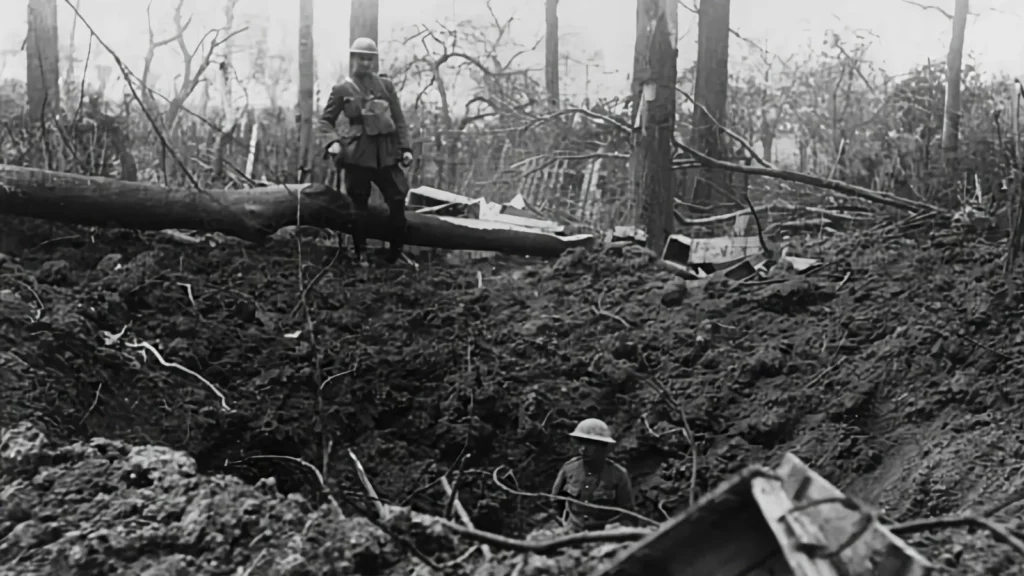
As urban expansion and redevelopment continue, construction and geotechnical projects increasingly extend into areas with these historical uses. Intrusive ground investigation techniques such as boreholes, trial pits, or window sampling can reach depths where ordnance remains buried. Without an appropriate UXO risk assessment, such activities can expose personnel, equipment, and project schedules to unnecessary risk.
Why a UXO Risk Assessment Is Essential
A UXO risk assessment identifies whether a site is likely to be affected by unexploded ordnance and helps determine the level of risk to planned geotechnical activities. It also provides the basis for any mitigation measures required before and during intrusive works.
Key benefits include:
- Protecting personnel and equipment – ensuring the safety of engineers, drillers, and site operatives.
- Reducing project delays – identifying risks early helps avoid costly interruptions if UXO is found during site work.
- Ensuring compliance – following UXO risk management guidance such as CIRIA C681 and the Construction (Design and Management) Regulations 2015.
- Supporting due diligence – many clients, contractors, and insurers now require a UXO risk assessment before intrusive investigations take place.
The UXO Risk Assessment Process
At Brimstone UXO, we follow a structured approach to UXO risk assessments, tailored to the project’s location, scope, and depth of investigation. The process typically involves:
- Preliminary UXO Risk Assessment – a desk-based study reviewing historical bombing data, military records, and mapping to establish whether there’s any potential for UXO contamination.
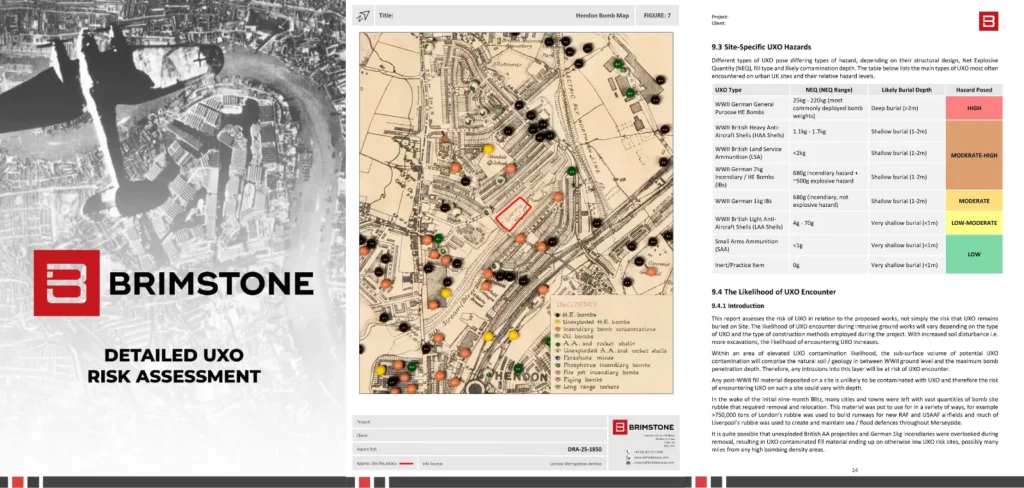
- Detailed UXO Risk Assessment – a deeper analysis that considers site-specific factors such as past land use, recorded bomb strikes, depth of made ground, and proposed geotechnical methods.
- Mitigation Recommendations – depending on the findings, recommendations may include a non-intrusive or intrusive UXO survey, borehole support, or on-site engineer supervision during drilling.
This tiered approach ensures that mitigation measures are proportionate to the level of risk and that resources are focused where they are most needed.
Integrating UXO Risk Management into Geotechnical Planning
Incorporating UXO risk management early in a geotechnical project allows teams to plan investigations safely and efficiently. Our specialists work closely with geotechnical engineers to ensure that UXO considerations are integrated into the site investigation design and method statements.
Common scenarios where UXO risk assessments support geotechnical projects include:
- Brownfield redevelopment sites with historic military use.
- City centre locations affected by wartime bombing.
- Former airfields, ranges, or munitions storage sites.
- Coastal or estuarine areas where wartime dumping or defensive activities occurred.
Supporting Safe Ground Investigations
Whether you’re carrying out a single borehole investigation or a large-scale ground investigation programme, managing UXO risk is a critical part of ensuring safety and maintaining project momentum.
Brimstone UXO provides comprehensive UXO risk assessments and on-site support tailored to the specific needs of geotechnical projects. Our experienced engineers and EOD specialists help clients make informed decisions, plan safely, and progress confidently.
If you’re planning geotechnical investigations and need to understand your site’s UXO risk, our team can help. Contact us at enquire@brimstoneuxo.com to discuss your project.
Learn more about our UXO risk mitigation work by following Brimstone on Facebook, Instagram, LinkedIn and YouTube.
"*" indicates required fields