Rural Land, Real Risk | A UXO Case Study from Hoo, Kent
Before intrusive groundworks begin on any site, understanding what may be present below ground is a key part of responsible risk management. In parts of the UK, this includes the potential for unexploded ordnance (UXO).
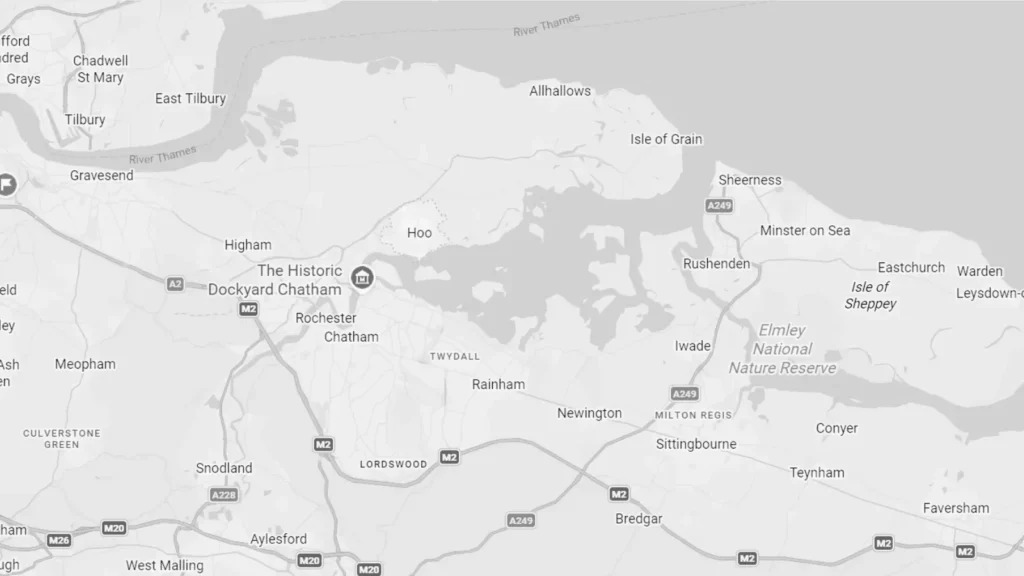
A recent project on the Hoo Peninsula in Kent highlights how sites that appear low risk at surface level can still be associated with wartime activity. Historical research undertaken by our team to support a planned development identified evidence of both German bombing activity and significant British military defensive use in and around the site. The outcome was a moderate UXO risk level identified for the entire area.
The site as it appears today
The project area was comprised of three parcels of land that remain largely undeveloped. The ground showed signs of agricultural use, and aside from a farm or residential structure in the north-west of the site, there has been little obvious modern development. There were no visible craters, no surviving military structures, and no clear surface indicators of wartime damage.
Sites like this are often assumed to be relatively low risk. However, where land has seen limited post-war redevelopment, there is also a greater chance that any buried wartime items have remained undisturbed.
The WWII setting around Hoo
During WWII, the site lay within the former Rural District of Strood, which experienced a moderate density of bombing. While Hoo itself was not the focus of a single, large-scale concentrated raid, the wider area was subject to repeated smaller-scale attacks. This was largely due to the presence of strategically important military and logistical facilities nearby, including the Royal Naval Armament Depot.
At the same time, the Hoo Peninsula was heavily fortified against the threat of German invasion. Its geography made it vulnerable to amphibious assault, and a network of permanent and temporary defensive positions was established across the landscape.
This combination of aerial attacks and ground-based military activity is central to understanding the UXO risk profile of the site today.
Evidence of German bombing
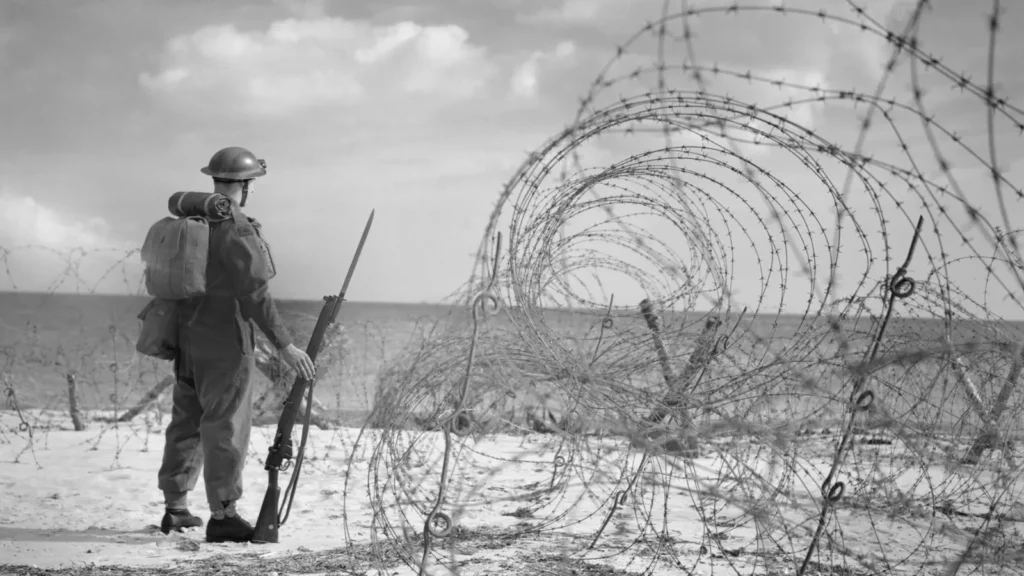
Bomb mapping and written wartime records show that approximately 30 high explosive bombs, two incendiary bomb “showers” and one V1 flying bomb incident were recorded around and within the site. Significantly, one incident comprising eight high explosive bombs was recorded directly on the site, according to an air raid register examined by our research team.
Due to the number of bombs recorded within that single incident, it is considered possible that they formed part of a bomb stick, although this cannot be confirmed due to limitations in the available records. As is common with wartime documentation, different sources do not always agree. For example, the Hoo air raid register records considerably more high explosive bombs in the surrounding area than other official records. This level of inconsistency means additional strikes may have occurred without being fully documented.
Aerial photography from the wartime and post-war period did not show clear craters on most of the site, however, agricultural ground cover and vegetation can obscure such evidence. A circular ground disturbance was identified in the northern part of the site which could be consistent with a historic impact. Written records also refer to damage to buildings immediately east of the site, suggesting bombing may have occurred closer to the site than some mapping indicates.
At the time of the war, the land was largely undeveloped. Access and routine observation may therefore have been limited, reducing the likelihood that unexploded bomb strikes would have been identified and dealt with. Smaller bombs, which were widely used, could leave relatively subtle impact marks that were easily concealed by crops or vegetation.
Taken together, the recorded strikes on the site, the number of incidents in the surrounding area, and the uncertainty in the historical records led to a Moderate risk from German unexploded bombs being issued by our researchers.
British defensive activity on and around the site
In addition to the aerial threat, the site lay within an area of concentrated British defensive activity. A defensive stop line ran directly through part of the site. This formed part of a wider system across the Hoo Peninsula, comprising natural and manmade obstacles linked by anti-tank gun emplacements, anti-tank rails, anti-tank blocks and roadblocks.
Records confirm five pillboxes within approximately 500 metres of the site, including two within the site boundary. One of these was identified as a Type 28A anti-tank pillbox, which was a heavily fortified gun emplacement. Two weapon pits are also recorded in the north-west of the site. These features were visible on wartime and post-war aerial photography.
Such a concentration of defensive infrastructure indicates sustained military presence. Areas like this are associated with risks from land service ammunition, small arms ammunition and other munitions used in training, defence and preparation for invasion. Improper disposal, including burial of surplus or faulty items, was not uncommon at the time. Ammunition caches were also sometimes buried for rapid access, with some potentially left in place after the war.
Client-provided information further confirmed that an unexploded anti-aircraft shell had previously been discovered on site. No fixed anti-aircraft battery is recorded on the site in the sources consulted by our researchers, suggesting temporary or mobile defensive positions may have been present.
The combination of defensive infrastructure, likely troop activity, ground conditions suitable for burial or disposal, and minimal post-war redevelopment led to a Moderate risk from allied UXO being issued.
Ground disturbance since the war
Recent imagery indicates the site has largely retained its pre-war character. Post-war disturbance appears to have been limited mainly to agricultural activity, which typically affects only shallow soils. There is little evidence of deep excavations or major redevelopment that might have removed or exposed buried items.
Managing the risk during groundworks
Based on the risk assessment findings, a structured set of mitigation measures were recommended for before and during intrusive works. These included:
- UXO safety awareness briefings for site personnel so that appropriate procedures would be understood from the outset.
- An Intrusive UXO Survey was recommended to identify potential buried ferrous anomalies in advance of piling.
- A UXO Watching Brief to supervise open excavations.
- A Non-Intrusive UXO Survey for greenfield areas.
These measures were designed to reduce the likelihood of an unexpected encounter and to ensure that any findings could be managed safely and in a controlled manner.
A wider lesson for similar sites
This case illustrates a common issue in development. Land that appears rural, open or agricultural today may still be associated with significant wartime activity. In this instance, recorded German bombing, a defensive stop line running through the site, multiple pillboxes and weapons pits, and a confirmed unexploded anti-aircraft shell find all contributed to a moderate UXO risk being identified across the whole area.
Historical research provides essential context for understanding these risks before ground investigation and construction works begin, particularly on sites that have seen little post-war redevelopment.
If you are planning development works on a site with a similar rural or undeveloped history, an early UXO risk assessment can help you understand potential constraints before work begins. Our team supports developers, planners and contractors across the UK to ensure projects proceed safely and without unnecessary disruption.
For regular updates, project insights and industry guidance, follow Brimstone UXO on Facebook, Instagram, LinkedIn and YouTube.
"*" indicates required fields