Why Is UXO a Long-Term Problem?
Unexploded ordnance remains one of the UK’s most enduring legacy risks. Despite the passage of time, historic munitions continue to be uncovered across construction sites, coastal locations and former military training areas.
Understanding why UXO persists helps developers and contractors plan effectively and manage risk responsibly.
Historic Ordnance Still Present Across the UK
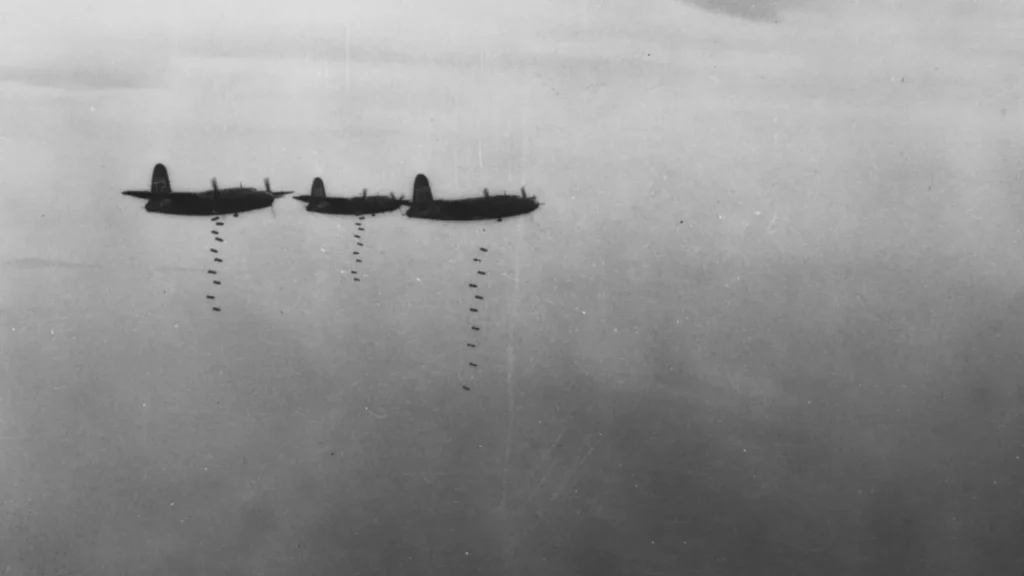
A significant proportion of the UXO encountered in the UK today originates from the First and Second World Wars, particularly the extensive bombing campaigns carried out by the Luftwaffe. Many air-delivered bombs failed to detonate on impact. Some were designed with delayed fuses intended to explode hours or days after being dropped, while others malfunctioned, landed on soft ground or became buried too deeply to be located during post-raid clearance efforts.
Despite the work of Air Raid Wardens, who were responsible for reporting incidents and investigating suspected unexploded bombs, the scale of destruction and the limitations of the time meant that many items of ordnance went undiscovered and remain in the ground today.
However, UXO in the UK is not limited to German bombs. As part of Britain’s own wartime defence and military operations, large quantities of ordnance were manufactured domestically and used both overseas and within the UK. Live munitions were routinely used during military training exercises at airfields, artillery ranges and bombing ranges to replicate realistic combat conditions. Ordnance was also sometimes disposed of deliberately or accidentally, or buried on site due to poor disposal practices, including at former Royal Ordnance Factories.
While clearance efforts took place after the war, the technology available at the time was far less advanced than it is today, meaning that not all items were detected or removed.
Former military training areas, testing grounds and disposal sites therefore continue to present a potential UXO risk. Many of these locations have since been redeveloped or returned to natural use, but unexploded items can remain undisturbed for decades, only to be encountered during construction, groundworks or other intrusive activities.
Time Does Not Make UXO Safer
One of the key reasons UXO remains a long-term risk is that its hazardous nature does not diminish with age. Corrosion can make fuses unstable, explosive fillings more sensitive and casings increasingly fragile, often increasing unpredictability rather than reducing it.
In coastal environments, shifting sands, erosion and strong tides can expose items that have remained buried for many years. Inland, construction and groundworks may disturb areas that have been undisturbed for long periods, bringing ordnance back to the surface or into contact with machinery.
Although UXO does degrade over time, it will not spontaneously explode. An external event is required to create the conditions for detonation, such as changes in temperature, vibration or direct impact, for example during piling or excavation works. In some cases, disturbance through contact or vibration may also reactivate clockwork mechanisms within fuses.
Development Trends Increase the Likelihood of Encounters
As the UK continues to prioritise new housing delivery, urban regeneration and the redevelopment of brownfield land, construction activity is increasingly taking place in areas with a higher potential for historical military use or wartime bombing impacts. Many of these sites were previously industrial, located near transport infrastructure or situated close to docks, airfields or manufacturing centres, all of which were common targets during WWII. Importantly, the absence of documented records does not eliminate the possibility of UXO being present, as not all incidents were recorded or fully investigated at the time.
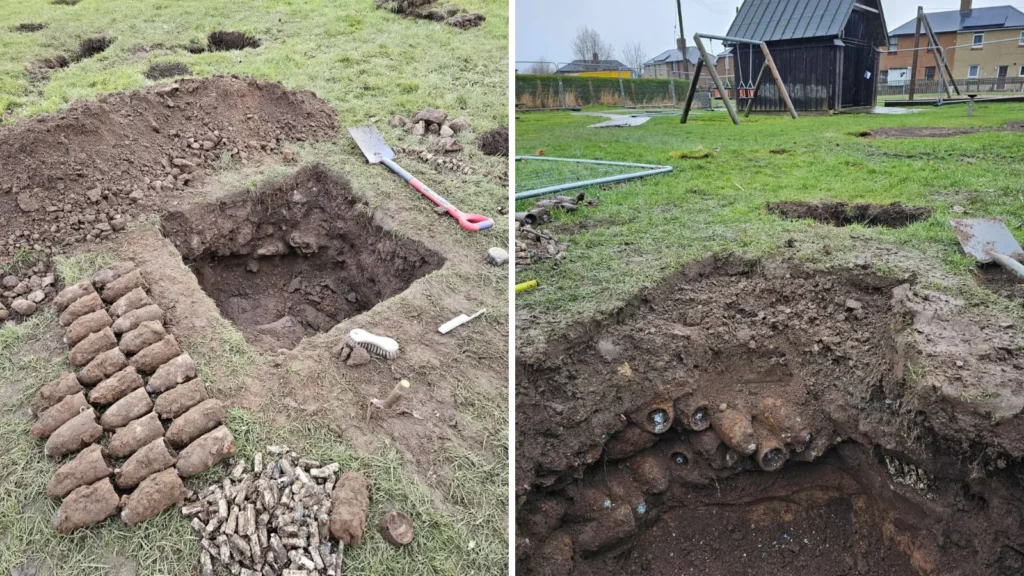
Modern redevelopment schemes often involve intrusive groundworks that go beyond the depth of earlier construction. Piling, deep excavations, ground investigations and large-scale earthworks can disturb ground that has remained untouched for many decades. As a result, items of ordnance that were previously buried beyond reach may be brought closer to the surface or directly encountered during construction activities.
As development continues to intensify in urban areas, the likelihood of encountering UXO increases, making early risk identification and appropriate mitigation an essential consideration for project planning and site safety.
Environmental Change Continues to Reveal New Hazards
UXO risk is not always static. Natural processes can shift, uncover or relocate historic ordnance over time. Coastlines such as parts of East Yorkshire provide clear examples of this, where erosion regularly exposes items from former military ranges.
Riverbanks, floodplains and areas with soft or unstable ground can also reveal ordnance following heavy rainfall or environmental disturbance. These changing conditions mean that areas previously considered lower risk can become higher risk as the environment evolves.
Managing UXO as a Long-Term Legacy Risk
With UXO remaining hazardous regardless of age, safe management relies on informed decision-making rather than assumptions. A structured approach, beginning with a professional risk assessment and supported by appropriate surveys and on-site measures, helps ensure projects continue safely and without unnecessary delays.
Brimstone UXO provides industry-leading support to developers, contractors and planners across the UK. Our services include UXO Risk Assessments, Non-Intrusive and Intrusive UXO Surveys, and specialist On-Site Support.
To discuss your project requirements, contact the Brimstone team today.
For updates and insights, follow Brimstone on Facebook, Instagram, LinkedIn and YouTube.
"*" indicates required fields